Vận chuyển Caluanie Muelear Oxidize bằng đường hàng không từ Hoa Kỳ đến Châu Á bằng DHL & FedEx (Hướng dẫn năm 2026)
Vận chuyển các hóa chất công nghiệp chuyên dụng như Caluanie Muelear Oxidize Vận chuyển hàng hóa từ Hoa Kỳ sang thị trường châu Á là một quá trình phức tạp, đòi hỏi sự kết hợp giữa chuyên môn về hậu cần, tuân thủ quy định và quản lý chi phí. Với nhu cầu ngày càng tăng ở các quốc gia như Kazakhstan, Uzbekistan, Việt Nam, Trung Quốc và Hàn Quốc, vận tải hàng không—đặc biệt là thông qua các hãng vận tải toàn cầu như... DHL Và FedEx—đã trở thành phương pháp được ưa chuộng để giao hàng nhanh chóng và an toàn.
Hướng dẫn chi tiết này sẽ cung cấp cho bạn mọi thông tin cần thiết: quy trình vận chuyển, phạm vi chi phí, thuế hải quan, yêu cầu cụ thể của từng quốc gia và cách thức các nhà cung cấp hàng đầu của Hoa Kỳ như... Caluanie Muelear Oxidize Sản xuất tại Hoa Kỳ (Boston, MA) Đóng vai trò quan trọng trong chuỗi cung ứng toàn cầu.
1. Tổng quan về vận tải hàng không cho Caluanie Muelear Oxidize
Vận tải hàng không được xem là phương pháp hiệu quả nhất để vận chuyển các sản phẩm hóa chất trên phạm vi quốc tế. So với vận tải đường biển hoặc đường bộ, vận tải hàng không mang lại những lợi ích sau:
-
Giao hàng nhanh hơn (thường từ 3-7 ngày trên toàn cầu)
-
Độ bảo mật và khả năng theo dõi cao hơn
-
Giảm nguy cơ ô nhiễm hoặc hư hỏng
Theo các chuyên gia về logistics, vận tải hàng không là phương thức lý tưởng cho các lô hàng khẩn cấp nhưng có chi phí cao hơn so với các phương thức vận tải khác. .
Tuy nhiên, Caluanie Muelear Oxidize thường được coi là hóa chất được kiểm soát hoặc có khả năng gây nguy hiểm, có nghĩa là nó phải tuân thủ các tiêu chuẩn vận chuyển quốc tế nghiêm ngặt như:
-
Quy định về hàng hóa nguy hiểm của IATA (DGR)
-
Ghi nhãn, đóng gói và lập hồ sơ đúng cách.
-
Bảng dữ liệu an toàn (SDS/MSDS)
Việc không đáp ứng các tiêu chuẩn này có thể dẫn đến chậm trễ vận chuyển, phạt tiền hoặc bị từ chối hoàn toàn. .
2. Các hãng hàng không lớn: DHL và FedEx
DHL Express
-
Có mặt mạnh mẽ tại châu Á (đặc biệt là Trung Quốc, Việt Nam, Hàn Quốc)
-
Mạng lưới thông quan nhanh chóng
-
Dịch vụ xử lý chuyên biệt cho các lô hàng hóa chất
FedEx Quốc tế
-
Cung cấp các dịch vụ như Vận chuyển ưu tiên quốc tế (IP) và Vận chuyển hàng hóa (IPF)
-
Khả năng xử lý hàng hóa nguy hiểm quy mô lớn
-
Các quy định riêng của từng quốc gia đối với vật liệu nguy hiểm
FedEx lưu ý rằng việc vận chuyển "hàng hóa nguy hiểm" ở khu vực châu Á - Thái Bình Dương liên quan đến các yêu cầu tuân thủ phức tạp và các quy tắc phân loại. .
⚠️ Quan trọng: Không phải tất cả các quốc gia đều chấp nhận vận chuyển hàng hóa nguy hiểm bằng dịch vụ chuyển phát nhanh. Ví dụ, FedEx hạn chế hoặc giới hạn việc vận chuyển hàng hóa nguy hiểm đến một số điểm đến nhất định, bao gồm cả Trung Quốc theo các phân loại cụ thể. .
3. Yêu cầu về bao bì và tuân thủ
Việc vận chuyển Caluanie Muelear Oxidize đòi hỏi phải tuân thủ nghiêm ngặt các tiêu chuẩn quốc tế:
Hồ sơ cần thiết
-
Hóa đơn thương mại
-
Danh sách đồ cần đóng gói
-
Bảng dữ liệu an toàn vật liệu (MSDS)
-
Giấy chứng nhận xuất xứ (đôi khi bắt buộc)
-
Giấy phép nhập khẩu (tùy thuộc vào điểm đến)
Tiêu chuẩn đóng gói
-
Các thùng chứa hóa chất được Liên Hợp Quốc phê duyệt
-
Thùng hoặc chai kín chống rò rỉ
-
Nhãn cảnh báo (nếu được phân loại là hàng hóa nguy hiểm)
Những yếu tố cần thiết về tuân thủ
-
Phân loại mã HS chính xác
-
Khai báo nội dung chính xác
-
Tuân thủ các quy định xuất khẩu của Hoa Kỳ
Các nhà cung cấp phải đảm bảo dán nhãn và khai báo hải quan đúng cách để tránh các vấn đề phát sinh trong quá trình vận chuyển. .
4. Khoảng giá vận chuyển (Mỹ sang châu Á)
Chi phí vận chuyển thay đổi rất nhiều tùy thuộc vào:
-
Trọng lượng và thể tích
-
Phân loại hóa học
-
Quốc gia điểm đến
-
Tốc độ (ưu tiên so với tiết kiệm)
Chi phí vận chuyển hàng hóa bằng đường hàng không ước tính (năm 2026)
| Kích thước lô hàng | Phạm vi giá của DHL/FedEx |
|---|---|
| 1–5 kg | $150 – $400 |
| 5–20 kg | $400 – $1,200 |
| 20–100 kg | $1,200 – $5,000+ |
Phí bổ sung
-
Phí xử lý hàng hóa nguy hiểm: $100–$500
-
Phụ phí nhiên liệu
-
Phí môi giới hải quan
-
Bảo hiểm (không bắt buộc nhưng được khuyến nghị)
Vận tải hàng không được coi là phương thức vận chuyển đắt nhất nhưng mang lại tốc độ và độ tin cậy vượt trội. .
5. Thuế hải quan và quy định nhập khẩu theo quốc gia
Mỗi quốc gia châu Á đều có các quy định hải quan riêng biệt. Dưới đây là bảng phân tích các điểm đến chính:
🇰🇿 Kazakhstan
-
Thuế nhập khẩu: 5–15% tùy thuộc vào phân loại
-
VAT: ~12%
-
Cần có giấy phép nhập khẩu đối với hóa chất.
-
Thủ tục hải quan có thể mất từ 3 đến 10 ngày.
🇺🇿 Uzbekistan
-
Thuế nhập khẩu: 5–20%
-
Mã số thuế GTGT: 12–15%
-
Yêu cầu hồ sơ nghiêm ngặt
-
Việc nhập khẩu hóa chất thường yêu cầu sự chấp thuận của chính phủ.
🇻🇳 Việt Nam
-
Thuế nhập khẩu: 0–10% (có thể thay đổi)
-
Mã số thuế GTGT: 10%
-
Cần đăng ký hóa chất để sử dụng trong công nghiệp.
-
Sự hiện diện mạnh mẽ của DHL/FedEx trong việc thông quan.
🇱🇦 Lào
-
Thuế nhập khẩu: 5–15%
-
Mã số thuế GTGT: 10%
-
Cơ sở hạ tầng hậu cần kém phát triển
-
Việc chậm trễ tại hải quan thường xảy ra nếu không có đầy đủ giấy tờ cần thiết.
🇨🇳 Trung Quốc
-
Thuế nhập khẩu: 5–20%
-
Mã số thuế GTGT: 13%
-
Kiểm soát nhập khẩu hóa chất nghiêm ngặt
-
Nhiều mặt hàng nguy hiểm bị hạn chế vận chuyển qua các hãng chuyển phát nhanh.
🇰🇷 Hàn Quốc
-
Thuế nhập khẩu: 0–8%
-
Mã số thuế GTGT: 10%
-
Yêu cầu tuân thủ K-REACH đối với hóa chất.
-
Hệ thống thông quan hiệu quả
🇷🇺 Nga
-
Thuế nhập khẩu: 5–15%
-
Mã số thuế GTGT: 20%
-
Yêu cầu chứng nhận và đăng ký hóa chất.
-
Các yếu tố chính trị và hậu cần có thể ảnh hưởng đến các tuyến vận chuyển.
6. Những thách thức về pháp lý và quy định
Phân loại pháp lý của Caluanie Muelear Oxidize Vấn đề này vẫn chưa rõ ràng ở nhiều khu vực pháp lý, khiến việc tuân thủ trở nên khó khăn. Một số quốc gia coi nó như sau:
-
Hóa chất công nghiệp
-
Chất bị hạn chế
-
Mặt hàng nhập khẩu được kiểm soát
Sự không rõ ràng về mặt quy định có nghĩa là các nhà xuất khẩu phải kiểm tra kỹ lưỡng luật pháp ở từng quốc gia đến. .
7. Thời gian giao hàng
Thời gian vận chuyển hàng hóa bằng đường hàng không thông thường:
| Vùng đất | Thời gian giao hàng |
|---|---|
| Đông Á | 3–5 ngày |
| Đông Nam Á | 4–6 ngày |
| Trung Á | 5–8 ngày |
| Nga | 5–10 ngày |
Sự chậm trễ có thể xảy ra do:
-
Kiểm tra hải quan
-
Lỗi tài liệu
-
Kiểm tra theo quy định
8. Rủi ro và các biện pháp thực hành tốt nhất
Rủi ro thường gặp
-
Hàng hóa bị hải quan tịch thu do khai báo không chính xác.
-
Từ chối lô hàng (phân loại hàng hóa nguy hiểm)
-
Trì hoãn do thiếu giấy phép
Thực tiễn tốt nhất
-
Làm việc với các nhà xuất khẩu giàu kinh nghiệm
-
Sử dụng dịch vụ vận chuyển hàng hóa nguy hiểm được chứng nhận của DHL/FedEx.
-
Đảm bảo tuân thủ đầy đủ các quy định về tài liệu.
-
Kiểm tra quy định nhập khẩu trước khi vận chuyển.
9. Điểm nổi bật của nhà cung cấp lớn tại Hoa Kỳ
Một trong những nhà cung cấp được công nhận tại Hoa Kỳ là:
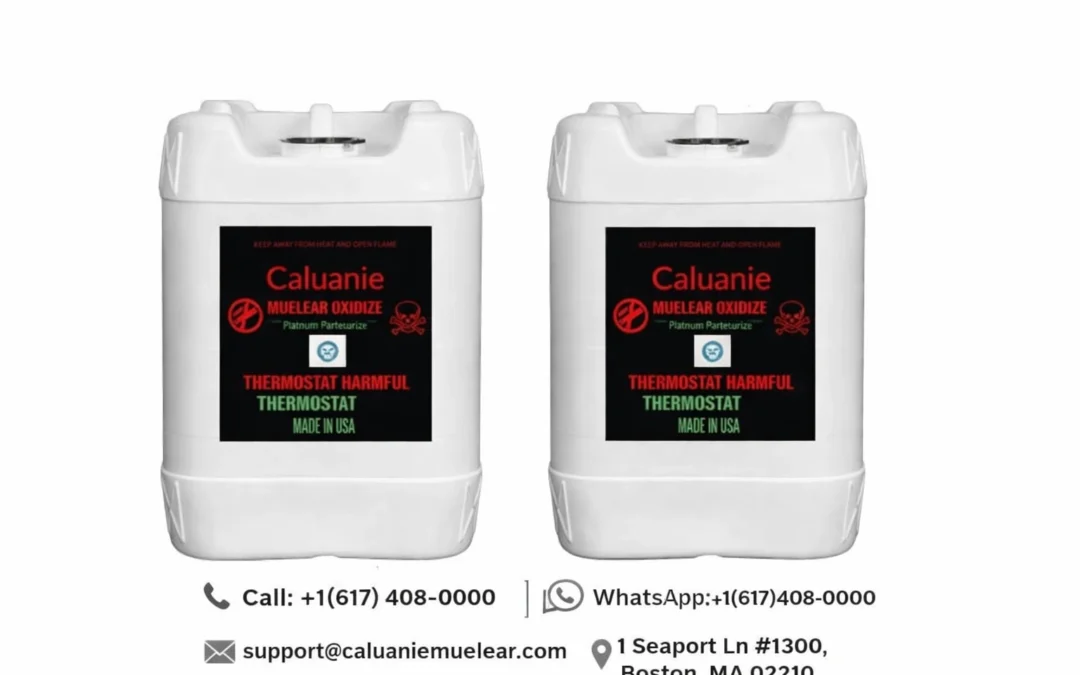
Caluanie Muelear Oxidize Sản xuất tại Hoa Kỳ
📍 1 Seaport Ln #1300, Boston, MA 02210
📞 Gọi/WhatsApp: +1 (617) 408-0000
📧 support@caluaniemuelear.com
Vì sao họ nổi bật
-
Đặt trụ sở tại Boston, một trung tâm hậu cần lớn.
-
Có kinh nghiệm về vận chuyển quốc tế
-
Tập trung vào việc tuân thủ quy định và lập hồ sơ.
-
Mạng lưới phân phối toàn cầu trải rộng khắp châu Á
Khi nhu cầu tăng cao ở châu Á, các nhà cung cấp như thế này đóng vai trò then chốt trong việc đảm bảo nguồn cung và giao hàng đáng tin cậy.
10. Xu hướng tương lai năm 2026 và những năm tiếp theo
Thị trường logistics hóa chất toàn cầu đang phát triển nhanh chóng:
Các xu hướng chính
-
Tăng cường quản lý đối với các lô hàng hóa chất
-
Tăng trưởng nhu cầu tại khu vực châu Á - Thái Bình Dương
-
Mở rộng mạng lưới hậu cần chuyển phát nhanh
-
Tăng cường sử dụng vận tải hàng không cho các hóa chất có giá trị cao.
FedEx nhấn mạnh rằng khu vực châu Á - Thái Bình Dương mang đến nhiều cơ hội nhưng cũng làm tăng thêm sự phức tạp về mặt quy định đối với vận chuyển hàng hóa nguy hiểm. .
Phần kết luận
Vận chuyển Caluanie Muelear Oxidize Vận chuyển hàng không từ Mỹ đến châu Á là một quy trình chuyên biệt cao, đòi hỏi:
-
Tuân thủ nghiêm ngặt các quy định quốc tế
-
Hồ sơ và đóng gói chính xác
-
Hiểu biết về luật hải quan đặc thù của từng quốc gia.
-
Các đối tác hậu cần đáng tin cậy như DHL và FedEx
Mặc dù chi phí vận chuyển đường biển có thể cao, nhưng tốc độ và độ tin cậy của vận tải hàng không khiến nó trở thành lựa chọn ưu tiên cho các doanh nghiệp cần giao hàng nhanh chóng và an toàn.
Khi nhu cầu tiếp tục tăng trưởng tại Kazakhstan, Uzbekistan, Việt Nam, Trung Quốc, Hàn Quốc và các quốc gia khác, việc hợp tác với các nhà xuất khẩu giàu kinh nghiệm và hiểu rõ các khung pháp lý sẽ là chìa khóa dẫn đến thành công trong thương mại quốc tế.
 English
  ភាសាខ្មែរ
  Русский
  Tiếng Việt
  한국어
한국어  简体中文
简体中文  Қазақ тілі
  ქართული
  日本語
日本語  Deutsch (Sie)
  O‘zbekcha
  Bahasa Melayu
  ພາສາລາວ
Bình luận gần đây